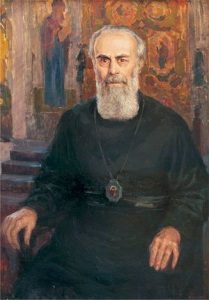
Ἀπὸ μιὰ ἑνοριακὴ ὁμιλία τῆς 5ης Δεκεμβρίου 1972.
Εἰς τὸ ὄνομα τοῦ Πατρὸς καὶ τοῦ Υἱοῦ καὶ τοῦ Ἁγίου Πνεύματος
Εἶναι βασικὸ γιὰ ἐμᾶς νὰ κατανοήσουμε τὴ σχέση ποὺ ὑπῆρχε ἀνάμεσα στὸν Χριστὸ καὶ τοὺς ἀποστόλους. Ἄν μελετᾶτε τὸ Εὐαγγέλιο, θὰ δεῖτε ὅτι οἱ Ἀπόστολοι καὶ ὁ Κύριος γεννήθηκαν καὶ ἔζησαν στὴν ἴδια περιοχή. Ὁ Χριστὸς, ὡς παιδὶ, ἔζησε στὴν Ναζαρέτ∙ οἱ Ἀπόστολοι ἔζησαν ὅλοι γύρω ἀπὸ τὸν τόπο Του. Δὲν γνωρίζουμε τίποτα ἀπὸ τὰ νεανικὰ χρόνια αὐτῶν τῶν ἀνδρῶν, ἀλλὰ, ἄν σκεφτοῦμε, ὅτι ἡ Κανᾶ τῆς Γαλιλαίας βρισκόταν σὲ ἀπόσταση μικρότερη τῶν τεσσάρων μιλίων ἀπὸ τὴν Ναζαρέτ, ὅτι ὅλες οἱ πόλεις καὶ τὰ χωριὰ ὅπου ἔζησαν ὁ Πέτρος, ὁ Ἀνδρέας, ὁ Ἰωάννης, ὁ Ἰάκωβος καὶ οἱ ἄλλοι μαθητὲς, βρίσκονταν τριγύρω, μποροῦμε νὰ φανταστοῦμε ὅτι εἶχαν συναντήσει, ὅτι εἶχαν δεῖ καὶ ἀκούσει τὸν Κύριο ὡς παιδὶ καὶ νέο.
Δὲν γνωρίζουμε κάτι γιὰ τὴν ἐπιρροὴ τῆς προσωπικότητας Του πάνω τους, καθὼς μεγάλωνε ἁρμονικὰ, ἀλλὰ ὑπῆρχαν μεταξὺ τους ἀναπτυχθεῖ δεσμοὶ οἰκειότητας. Οἱ μαθητὲς τοῦ Ἰωάννη τοῦ Βαπτιστῆ, ὁ Ἀνδρέας καὶ ὁ Ἰωάννης, ἦταν μαθητὲς τοῦ ἐξαδέλφου τοῦ Κυρίου. Ὁ Ἰάκωβος, ἦταν ἀδελφὸς τοῦ Ἰωάννη, ὁ Πέτρος ἦταν ἀδελφὸς τοῦ Ἀνδρέα. Ὅταν, πρῶτοι, συνάντησαν τὸν Χριστὸ, ἀναζήτησαν τοὺς φίλους τους, Ναθαναήλ καὶ Φίλιππο. Ἀκόμα, τὰ λόγια τοῦ Ναθαναήλ: «Μπορεῖ κάτι καλὸ νὰ προέλθει ἀπὸ τὴν Ναζαρέτ;» δὲν εἶναι παράξενα. Τι θὰ λέγαμε, ἄν μᾶς ἔλεγαν, ὅτι ὁ Θεὸς ὁ ἴδιος ἔγινε ἄνθρωπος καὶ ζεῖ σ’ἕνα χωριὸ τέσσερα μίλια μακριὰ ἀπὸ τὸ δικὸ μας;
Κι ἔπειτα, ὑπάρχει μιὰ ὁλόκληρη πορεία ποὺ μποροῦμε ν’ ἀκολουθήσουμε μέσα ἀπὸ τὰ Εὐαγγέλια, ὅπου βλέπουμε, πῶς σταδιακὰ οἱ μαθητὲς ἀνακαλύπτουν τὸν Κύριο, πῶς Ἐκεῖνος ἔρχεται πιὸ κοντὰ τους. Καὶ μιὰ μέρα, ἀναπτύσσεται μεταξὺ τους μιὰ τέτοια σχέση ποὺ ἀδυνατοῦν νὰ Τὸν ἀφήσουν. Ὅταν οἱ περισσότεροι μαθητές Του τὸν ἐγκαταλείπουν, ὁ Κύριος λέει στοὺς δώδεκα: «Θὰ φύγετε κι ἐσεῖς;» κι ὁ Πέτρος ἀπάντησε: «Ποῦ νὰ πᾶμε; Τὰ λόγια Σου εἶναι λόγια ποὺ ἀποπνέουν αἰωνιότητα ». Αὐτὴ ἡ σχέση ἀνάμεσα στοὺς μαθητές καὶ τὸν Χριστὸ, ποὺ, ἴσως, νὰ ἄρχισε μέσα ἀπο μιὰ φιλία, ἐξελίχθηκε σὲ θαυμασμὸ, σὲ βαθιὰ σχέση, ὅταν στὸν δρόμο πρὸς τὴν Καισάρεια, ἕνας άπὸ τοὺς μαθητὲς ὁμολογεῖ ὅτι εἶναι δῶρο τοῦ Θεοῦ: «Εἶσαι ὁ Χριστὸς, ὁ Υἱὸς τοῦ Ζωντανοῦ Θεοῦ».
Εἶναι μιὰ τόσο βαθιὰ, τόσο τέλεια, τόσο ὁλοκληρωμένη σχέση, ἔτσι, ποὺ, ὅταν ἀκόμα ὁ τρόμος τοὺς συνέχει, δὲν μποροῦν νὰ Τὸν ἀφήσουν. Ὅταν ὁ Χριστὸς λέει στοὺς μαθητὲς Του, ὅτι πηγαίνει στὴ Βηθανία ἐπειδὴ πέθανε ὁ Λάζαρος, οἱ μαθητές Τοῦ λένε: «Ἐπιστρέφεις στὴν Ἰουδαία; Δὲν σκοπεύουν νὰ σὲ σκοτώσουν;» Κι ἕνας τους, λέει: «Ἄς πᾶμε νὰ πεθάνουμε μαζὶ Του». Καὶ αὐτὸς εἶναι ὁ Θωμᾶς, ἐκεῖνος ποὺ τόσο συχνὰ θεωρήθηκε ἄπιστος. Ὄχι, δὲν ἦταν ἄπιστος. Ἦταν ἕτοιμος νὰ ζήσει καὶ νὰ πεθάνει μὲ τὸν Διδάσκαλο του, ἀλλὰ δὲν εἶναι προετοιμασμένος νὰ δεχτεῖ μὲ εὐκολία τὰ νέα τῆς Ἀνάστασης τοῦ Χριστοῦ καὶ τοῦ ζωηφόρου μήνυματος αὐτῆς, χωρίς νὰ εἶναι σίγουρος – ἐπειδὴ, ὅταν ὁ Χριστὸς πέθανε στὸν Σταυρὸ, οἱ μαθητές Του σκορπίστηκαν φοβισμένοι γιὰ νὰ κρυφτοῦν, κι ὅμως ἦταν δεμένοι μ’ Ἐκεῖνον ὡς τὰ μύχια τῆς καρδιᾶς, τοῦ νοῦ καὶ τῆς ψυχῆς τους, ἔνοιωθαν ὅτι ἡ Ζωή ἔπαψε νὰ ὑπάρχει στὸν κόσμο, στὴν ζωή τους. Αὐτὸ μᾶς συμβαίνει, ὅταν κάποιο ἀγαπητό πρόσωπο πεθαίνει. Τότε, ἀνακαλύπτουμε ὅτι κάθε τι, ρηχό, τετριμμένο, μικρό, χἀνει κάθε νόημα μπροστὰ στὴν σπουδαιότητα τῆς ζωῆς καὶ τοῦ θανἀτου. Αὐτὸ φαίνεται ἀπὸ τὸν τρόπο ποὺ στεκόμαστε μπροστὰ στὸ μυστήριο τῆς ζωῆς καὶ τοῦ θανάτου.
Αὐτὸ τοὺς συνέβη, ἀλλὰ τότε δὲν ὑπῆρχε ζωὴ, ὑπῆρχε μόνο ἔνας καταστρεπτικὸς,συντριπτικὸς θάνατος. Δὲν μποροῦσαν πιὰ νὰ ζήσουν, ἐπειδὴ ἡ Ζωὴ εἶχε φύγει ἀπὸ κοντὰ τους, ἀλλὰ μποροῦσαν νὰ συνεχίσουν νὰ ὑπάρχουν. Κι ὅμως, ξαφνικὰ ἀνακάλυψαν ὅτι ὁ Χριστὸς ἦταν ζωντανός καὶ ὅτι, κατὰ ἕναν μυστηριώδη τρόπο, ἐπειδὴ εἶχαν βιώσει τὸν θάνατο τόσο βαθιὰ καὶ ὁλοκληρωτικά – μποροῦσαν, μέσα ἀπὸ τὴν ἀγάπη καὶ τὴν ἑνότητα μεταξὺ τους νὰ εἶναι ζωντανοὶ μὲ ἀδιάσειστη τὴ βεβαιότητα ὅτι κανένας θάνατος δὲν μπορεῖ πλέον νὰ τοὺς ἀποκλείσει ἀπὸ τὴ ζωή, καμιὰ μορφὴ θανάτου∙ ὁ θάνατος εἶχε ἡττηθεῖ. Αὐτὸ ψάλλουμε τὸ Πάσχα, αὐτὸ τὸ Εὐαγγέλιο κηρύττεται. Ἡ ζωὴ ἔχει θριαμβεύσει, ὁ θάνατος δὲν ἔχει δύναμη ἐπάνω μας· τὸ σῶμα μας δὲν ἔχει τὴ δύναμη νὰ μᾶς νικήσει, ὅταν θὰ πεθάνει. Αὐτὴ εἶναι μία ἀπὸ τὶς κύριες μαρτυρίες τῶν ἀποστόλων· δὲν ἦταν ἁπλὰ τόσο πιστοὶ, ἕτοιμοι νὰ πεθάνουν, ἀλλὰ ἦταν τόσο βέβαιοι ἀπὸ μιὰν ἐσωτερικὴ βεβαιότητα, ἀπὸ τὴν αἰωνιότητα ποὺ ἀναβλύζε ἀπὸ μέσα τους, ἀπὸ τὴ νίκη μέσα τους τῆς ζωῆς τοῦ , ὅτι δὲν ὑπάρχει πλέον θάνατος. Κάποιος μπορεῖ εἰρηνικὰ ν’ ἀφήσει ὅ,τι εἶναι ἐφήμερο, καθὼς λέει ὁ Ἀπόστολος Παῦλος. Γιὰ τὸν Ἀπόστολο Παῦλο θάνατος δὲν σημαίνει ὅτι κάποιος ἀπεκδύεται τὴν ἐφήμερη ζωή, σημαίνει ὅτι ζεῖ τὴν αἰωνιότητα, τὴν αἰωνιότητα ἀπὸ αὐτὴ τὴ ζωή, καὶ ἀγωνίζεται νὰ νικήσει τὸ σῶμα τῆς ἁμαρτίας.
Ἀπόδοση στὴν νεοελληνική : serafeim.in
Πρωτότυπο κείμενο
It is essential for us to realise the link there is between Christ and the apostles. <…> If you read the Gospels you will see that the apostles and the Lord Jesus Christ were born and lived in the same area. Christ came to live in Nazareth as a child; the apostles lived all about the place of His abode. We know nothing about the early years of these men, but if we think that Cana of Galilee was less than 4 miles away from Nazareth, if we think that all the cities and all the villages in which Peter and Andrew, John and James and others lived were around the same place, we can imagine that they had met and seen and heard the Lord Jesus Christ as a child, as a youth.
We know nothing about the impact of His personality growing harmoniously into the fullness of His human stature, but links of personal knowledge and familiarity existed. The disciples of John the Baptist, Andrew and John, were the disciples of a cousin of the Lord. James was the brother of John, Peter was the brother of Andrew. When they first met Christ, they sought out their friends Nathanael and Phillip. Even the words of Nathanael ‘Can anything good come out of Nazareth?’ is not a mysterious saying. What would any one of us say if he was told that God Himself had become man in a village four miles away from his own village?
And then there is a whole process which we can trace in the Gospels in which one can see how, gradually, the disciples discover the Lord Jesus Christ, how He becomes gradually more and more to them. And one day their relatedness to Him is such that they could not leave Him even if they wanted to. When most of Christ’s disciples abandoned Him the Lord said to the Twelve: ‘Are you also going to go?’ And Peter answers: ‘Where should we go? Thou hast the word of eternal life’. This relatedness between the disciples and Christ that began perhaps in friendship, then in admiration grew to the relationship of disciples and Master, on the way to Caesarea Philippi becomes a recognition, proclaimed by one of them as a gift of God, of what He truly is: ‘Thou art the Christ, the Son of the Living God’.
It is a relationship so deep, so perfect and complete that they cannot leave Him even if terror comes upon them. When Christ tells His disciples that He is going to Bethany because Lazarus has died, His disciples say: ‘Are you going back into Judaea? Were not the Jews about to kill you?’ And one of them says, ‘Let us go with Him and die with Him’. And that one is Thomas, the one who so often is thought as a doubter. No, he is not a doubter. He is ready to live and to die with his Master, but he is not prepared credulously to receive the news of Christ’s Resurrection with all its resurrecting impact and life-giving power without being sure — because when Christ died on the cross His disciples scattered, afraid, in hiding, and yet, attached to Him with all the fibres of their heart and mind and soul, they felt that life had gone out of the world, life had gone out of their lives. That happens to us when someone who is infinitely dear dies. Then we discover that because this person has died everything which is shallow, trivial, small, too small to be as great as life and death, becomes irrelevant. We turn away from it, we become as great as our perception of life and death can make us.
That is what happened to them, but then there was no life, there was only crushing, destructive death. They could no longer live because life had gone out of their lives, but they could continue to exist. And all of a sudden they discovered that Christ was alive and that they could live and, more than this, that in a mysterious way because they had died so deeply and completely through love and oneness with Him, they could, through love and oneness — both His and theirs — be alive, but alive with an unshaking certainty that no death can deprive them of life any more, no kind of death; death was defeated. This is what we sing at Easter, this is what we proclaim as the Gospel. Life has triumphed, death has no power over us. Our body has no power to kill us when it dies. This is one of the essential witnesses of the apostles: not simply that they are so faithful in their love for Christ that they are prepared to die, but that they are so certain from inner certainty, from the welling up of eternity within them, from the victory within them of the life of Christ, that death is no more. One can peacefully let go of temporariness, as St Paul says. For him death does not mean divesting himself of temporary life, it means to be clad with eternity, eternity fulfilled, what it was incipiently, germinally, fighting for the fulfilment in what he calls his body of corruption.